
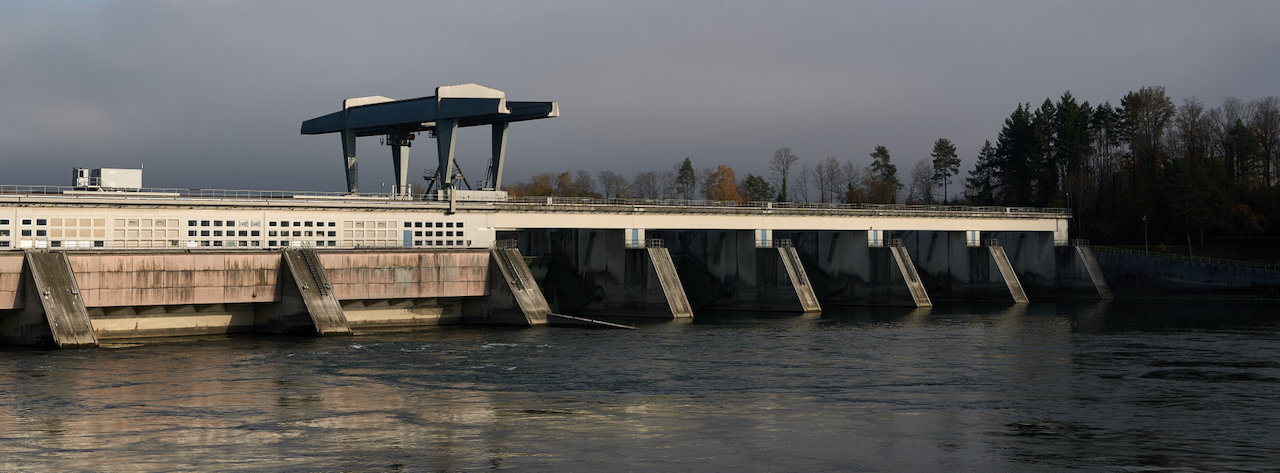
Power of Water #1-3
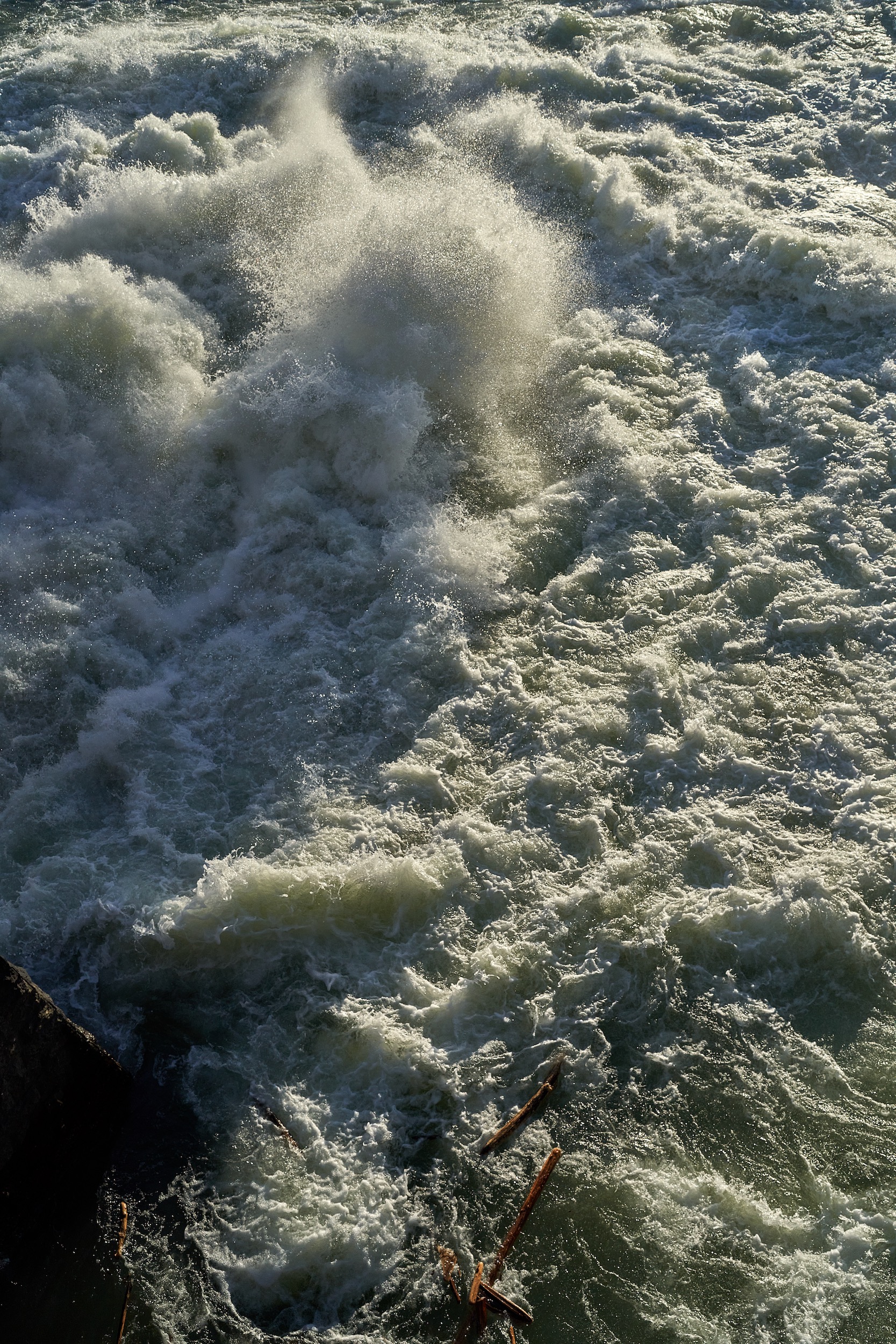
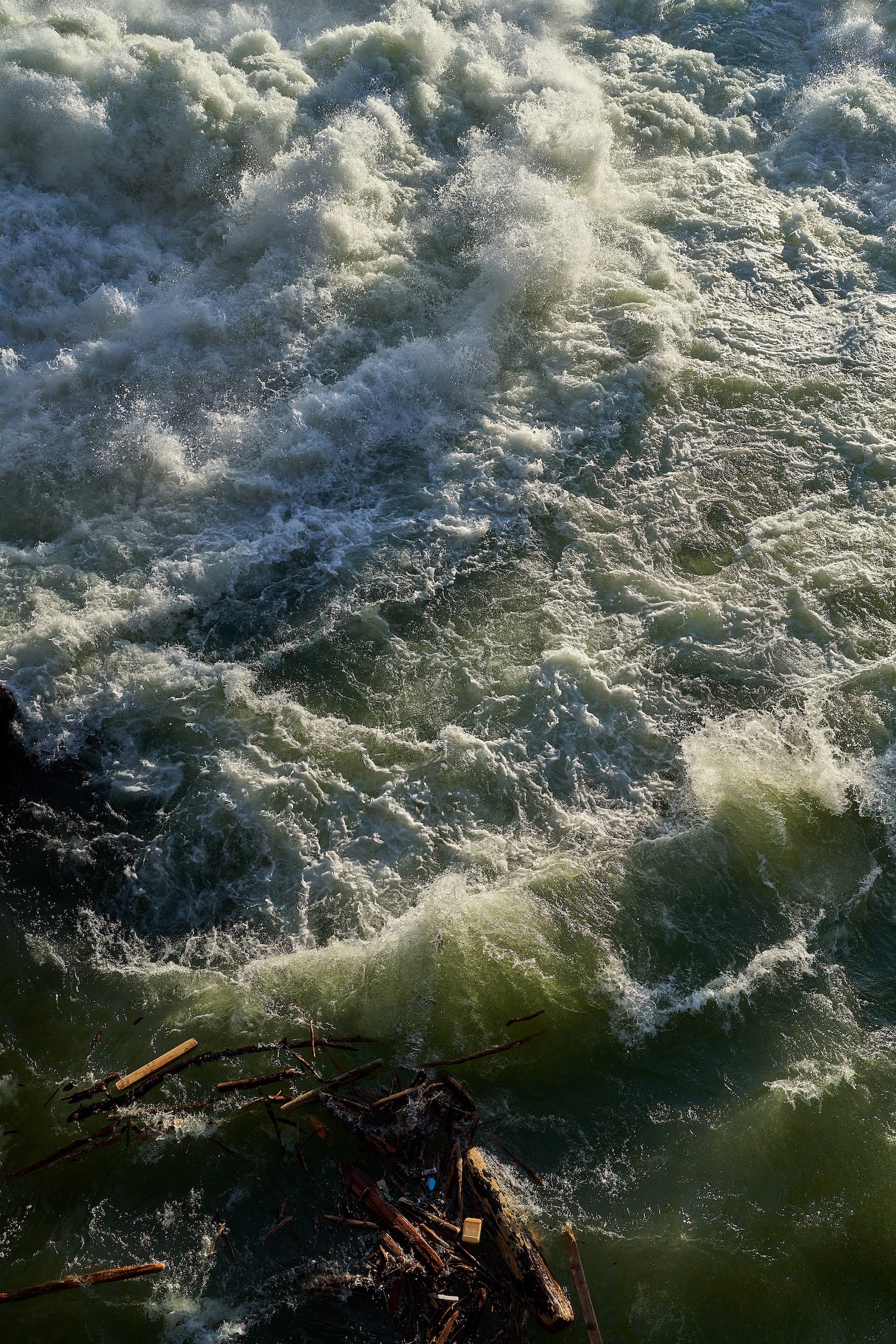
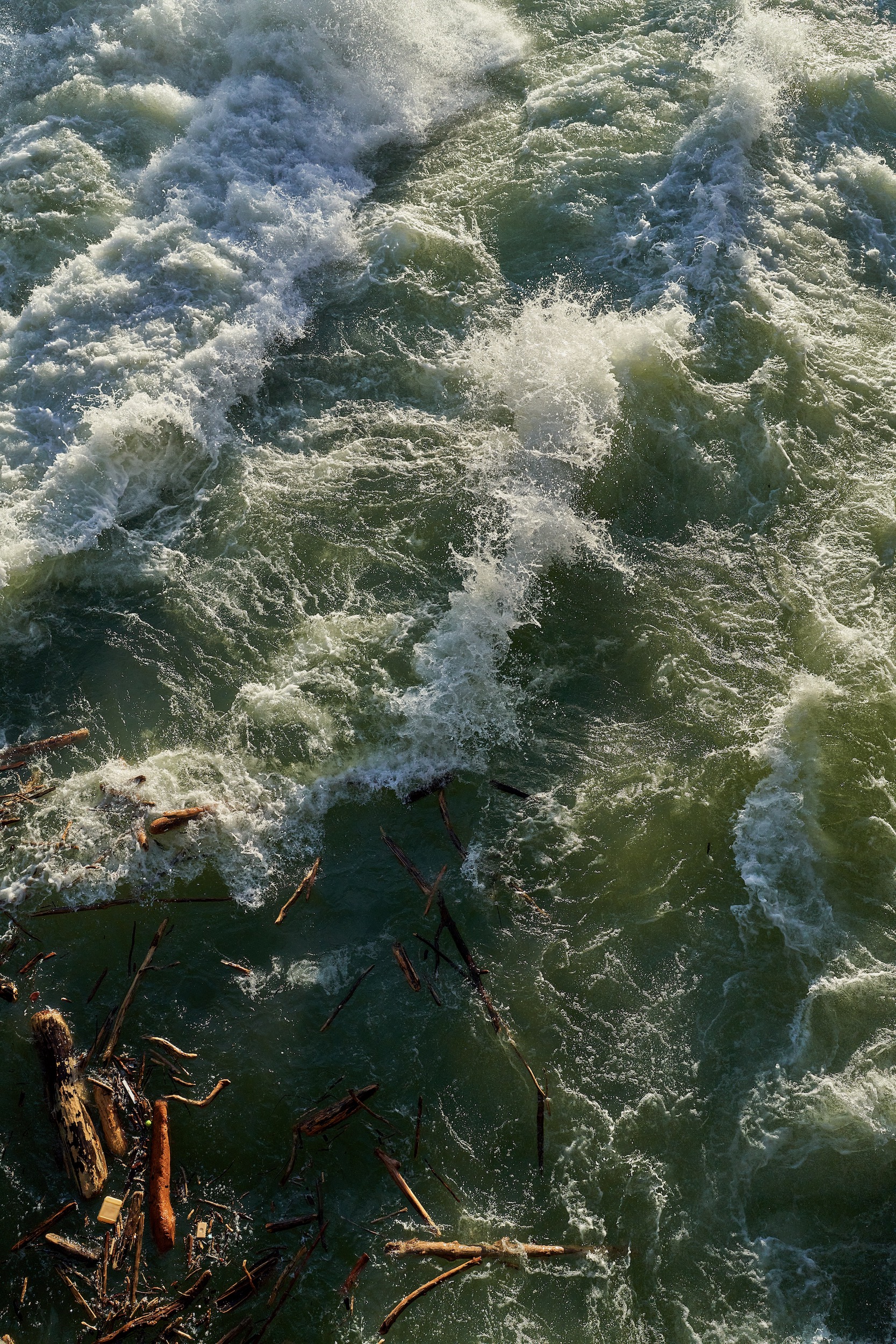
Anthroposcenes


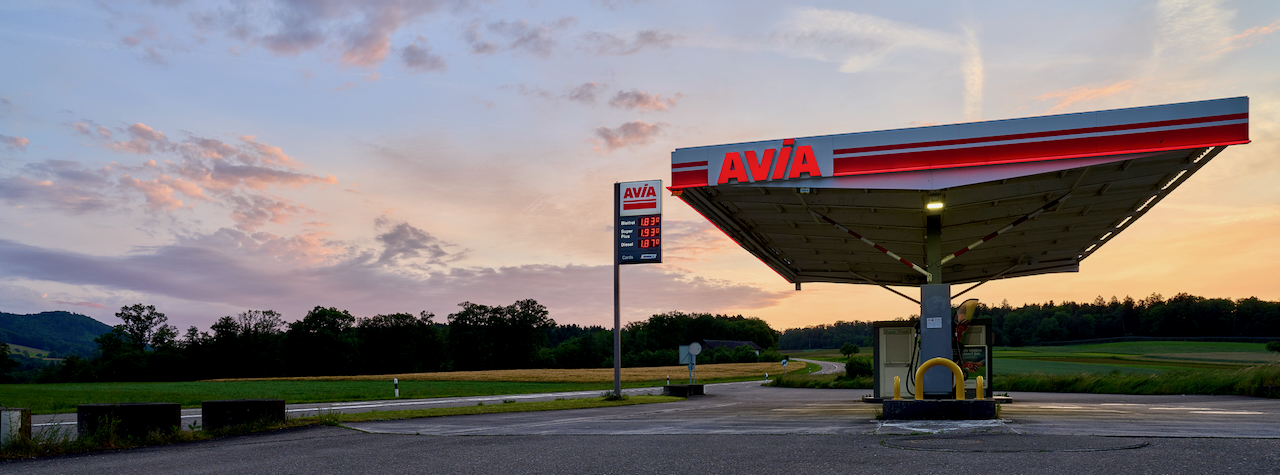
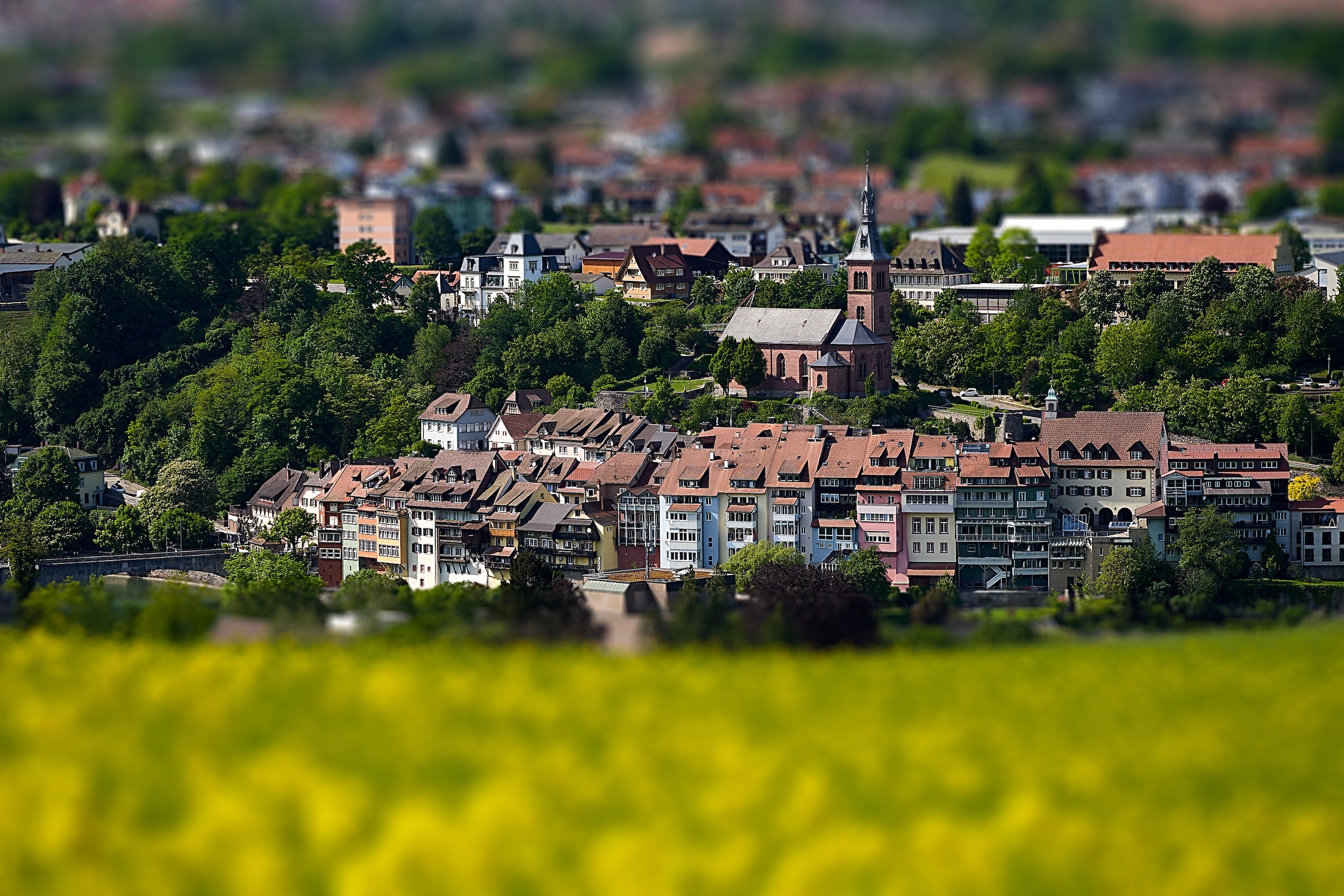
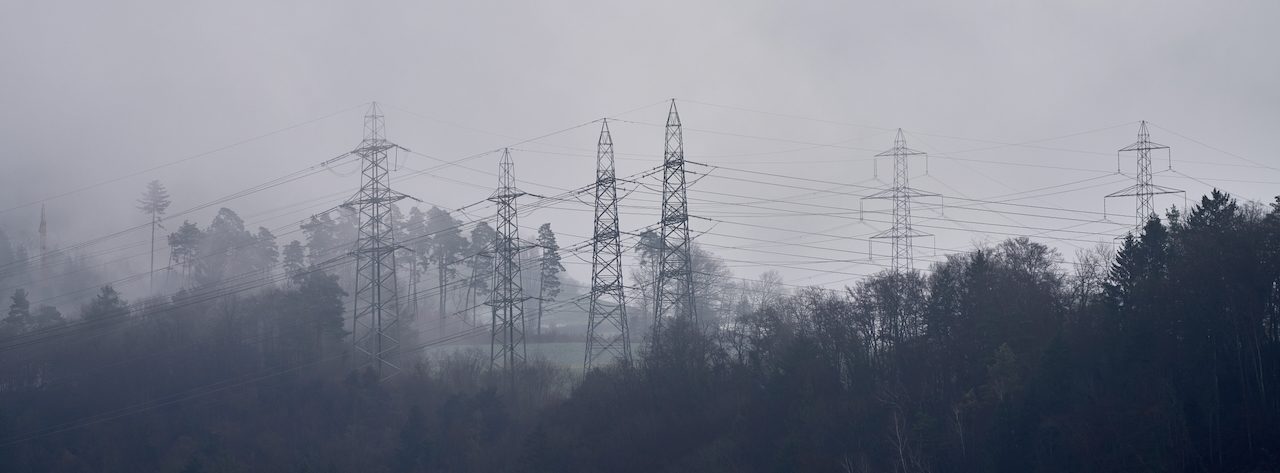
Laufenburger Miniaturen
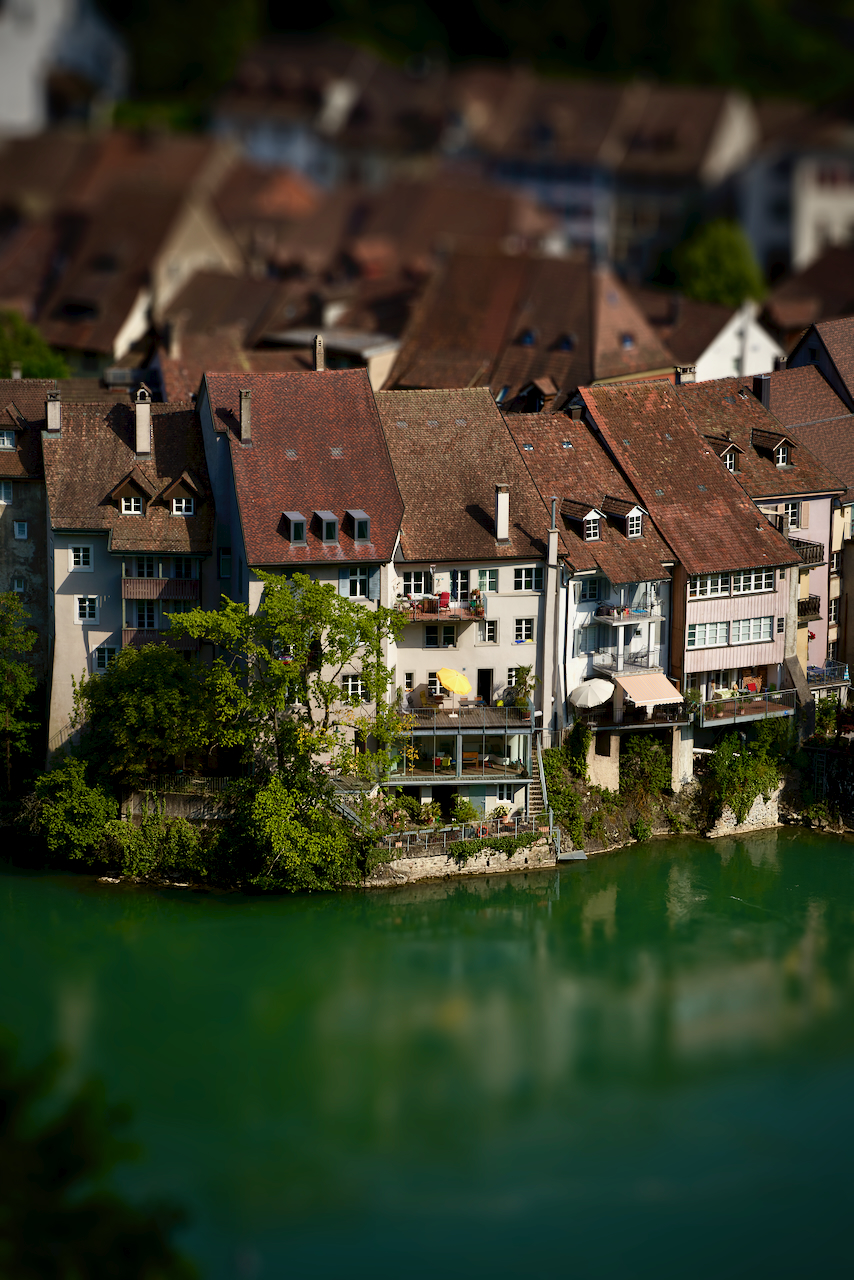
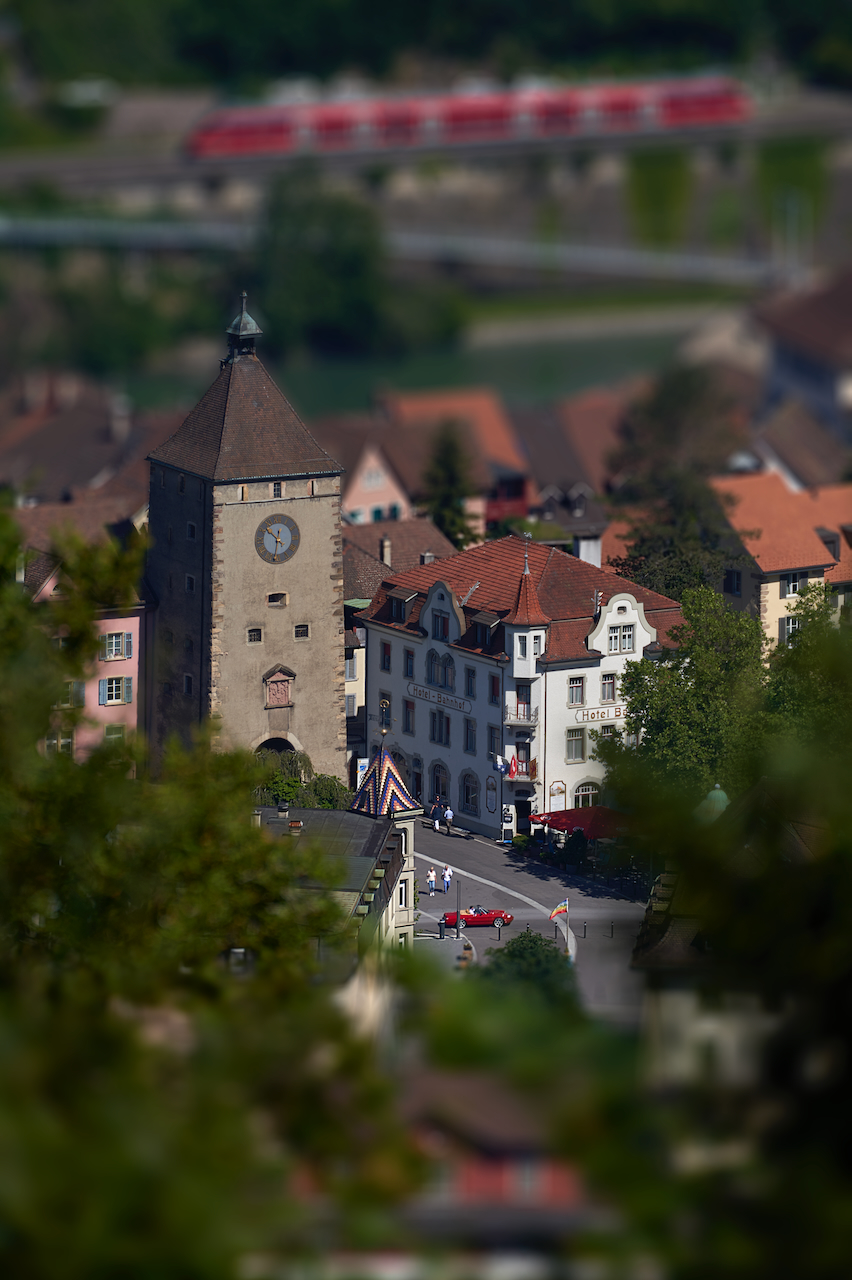
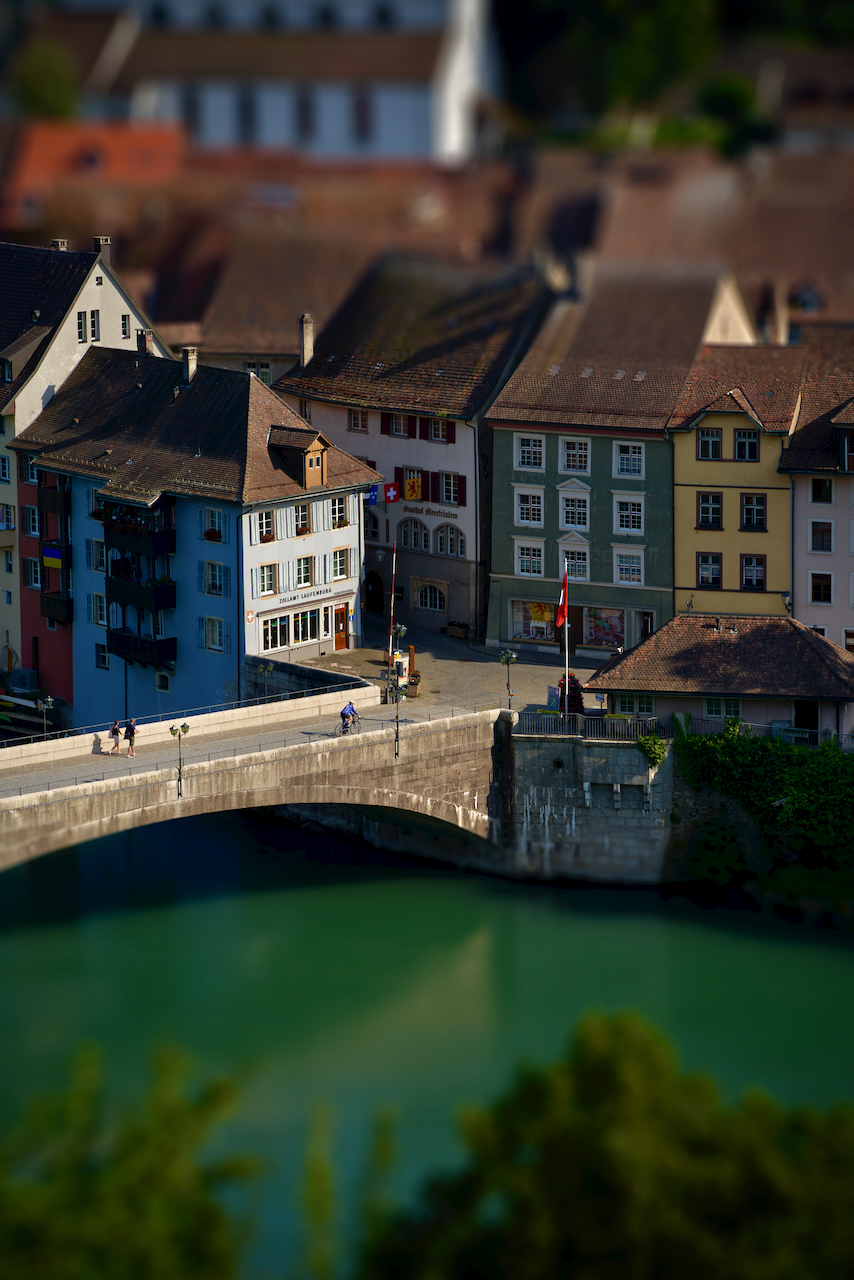
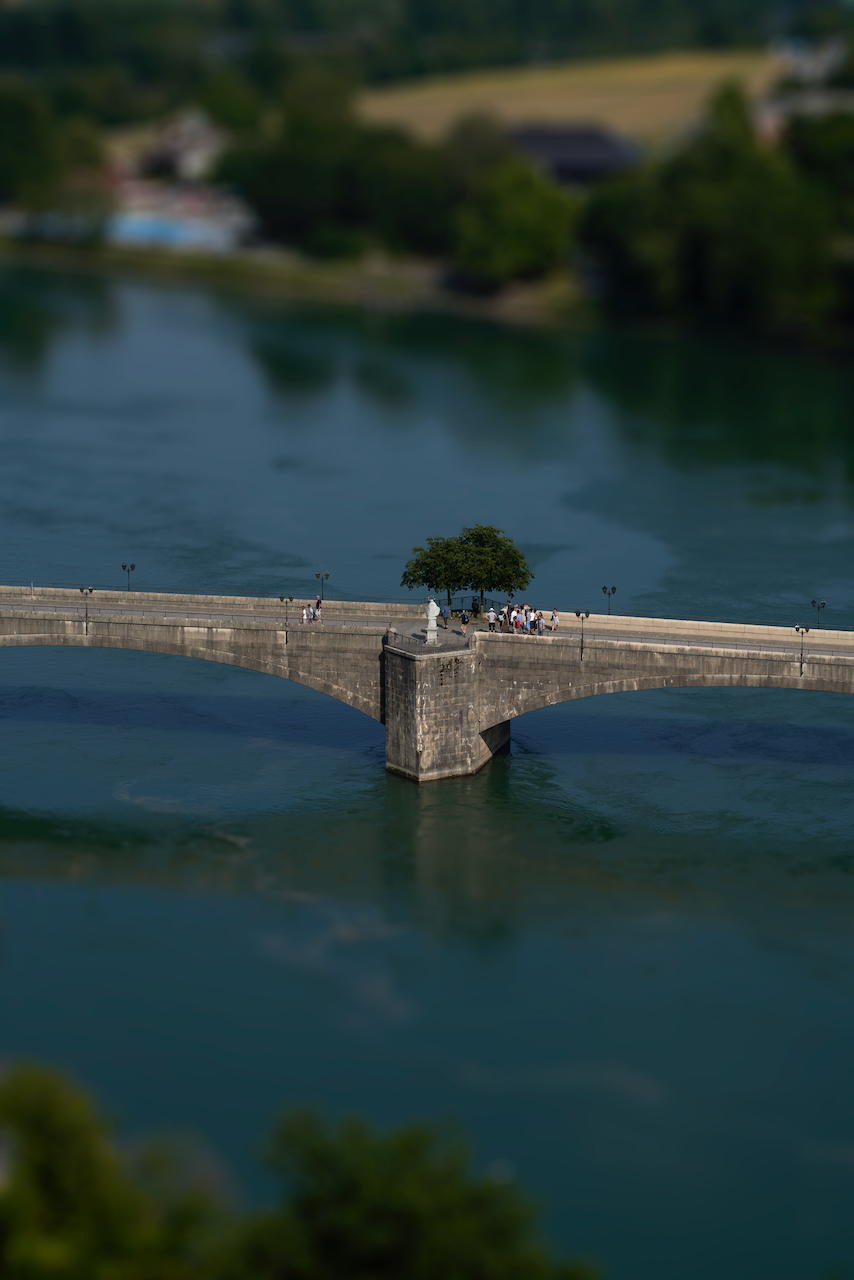
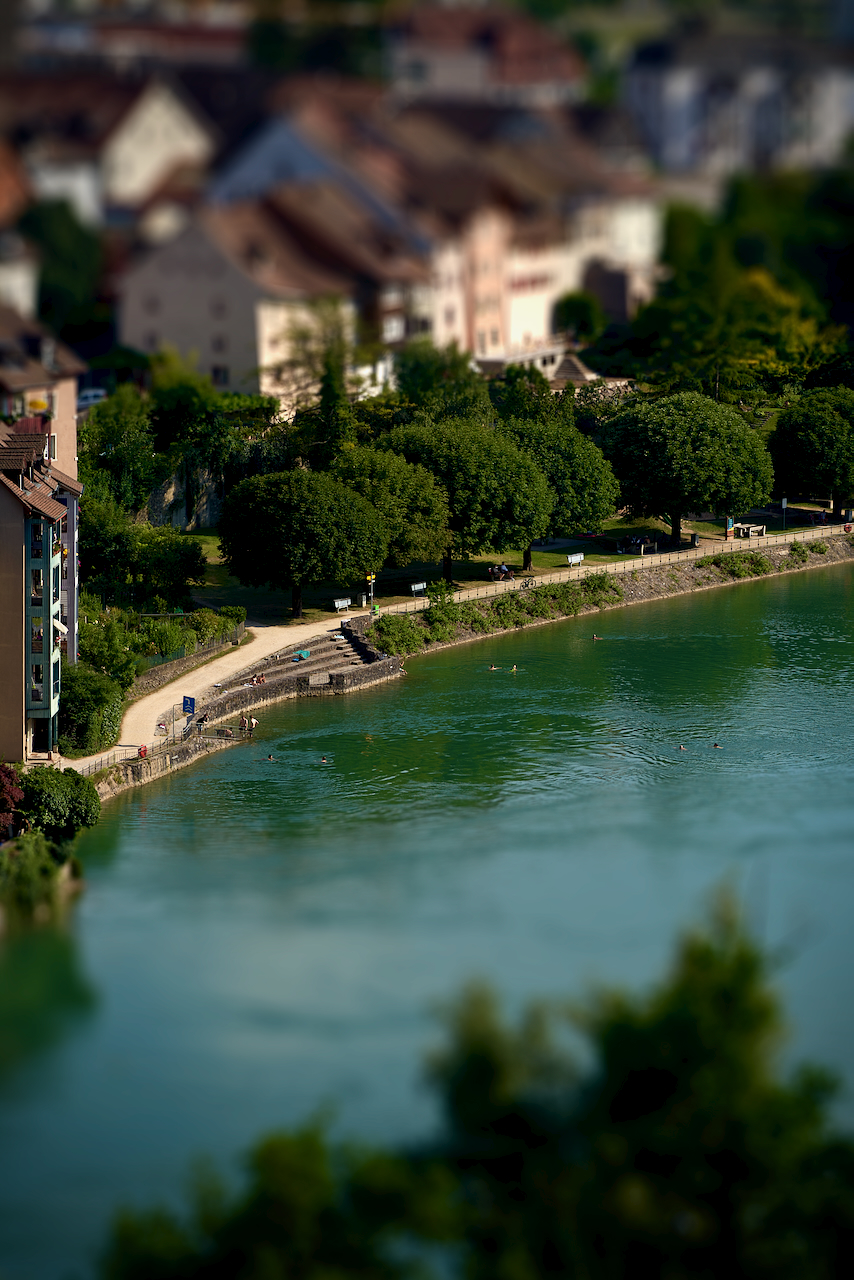
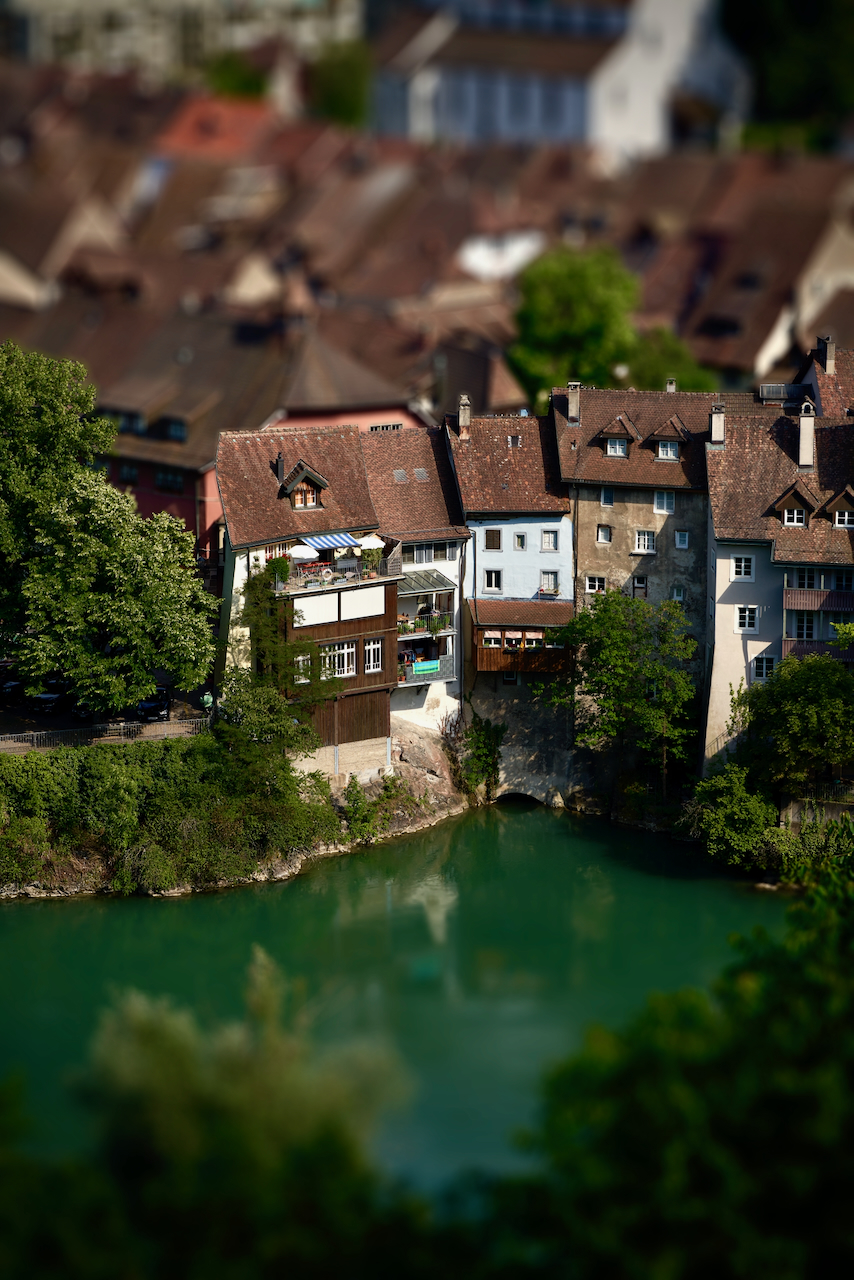
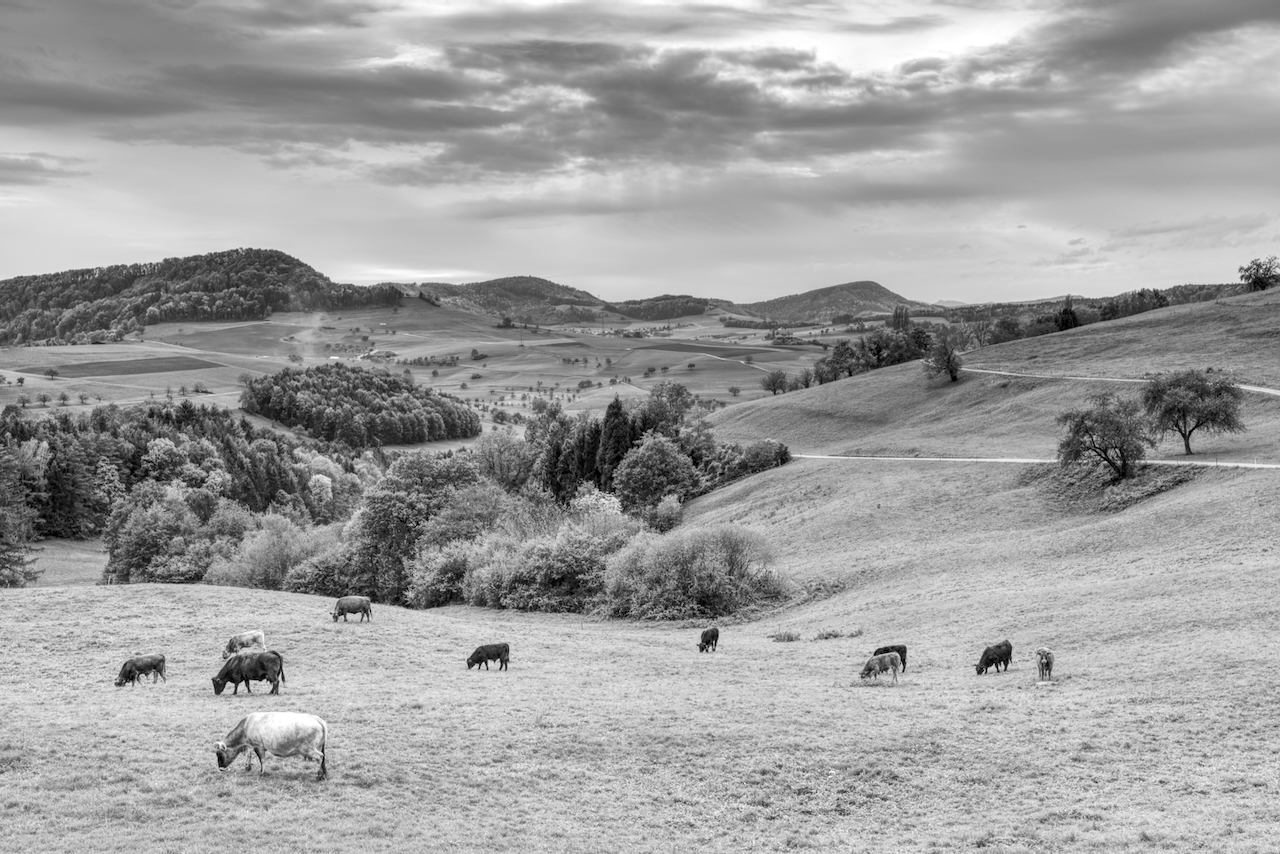
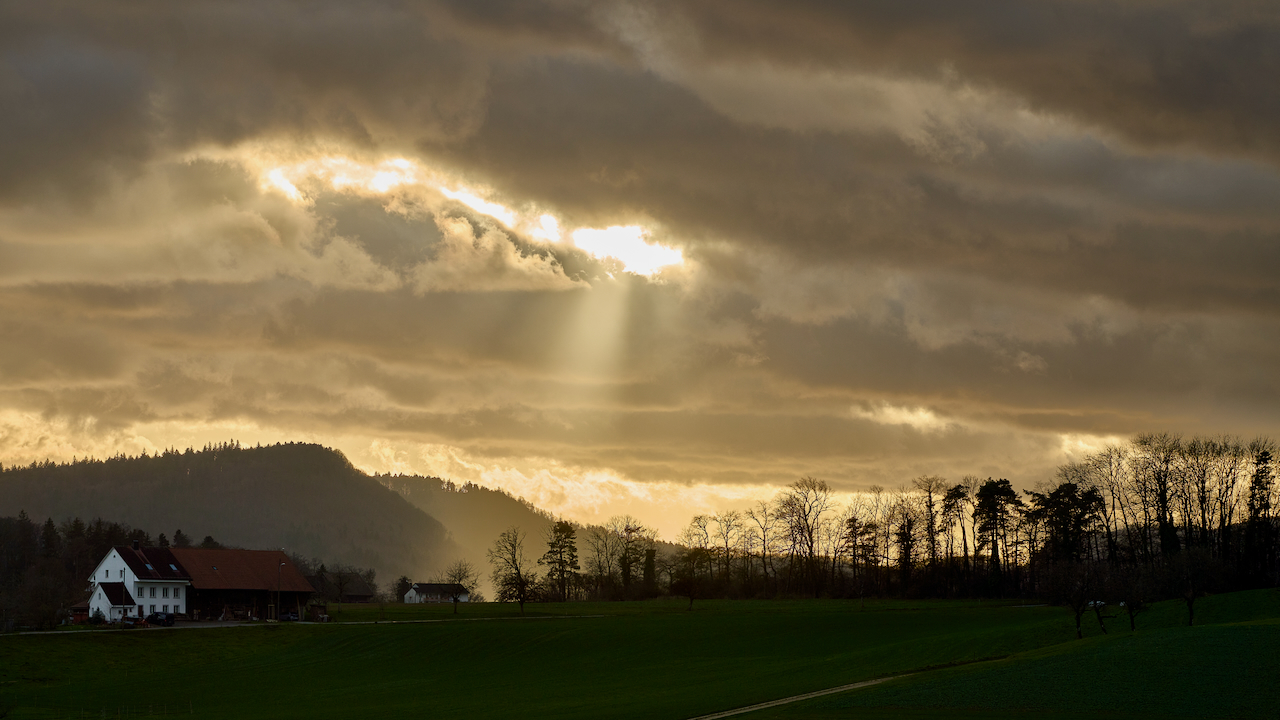
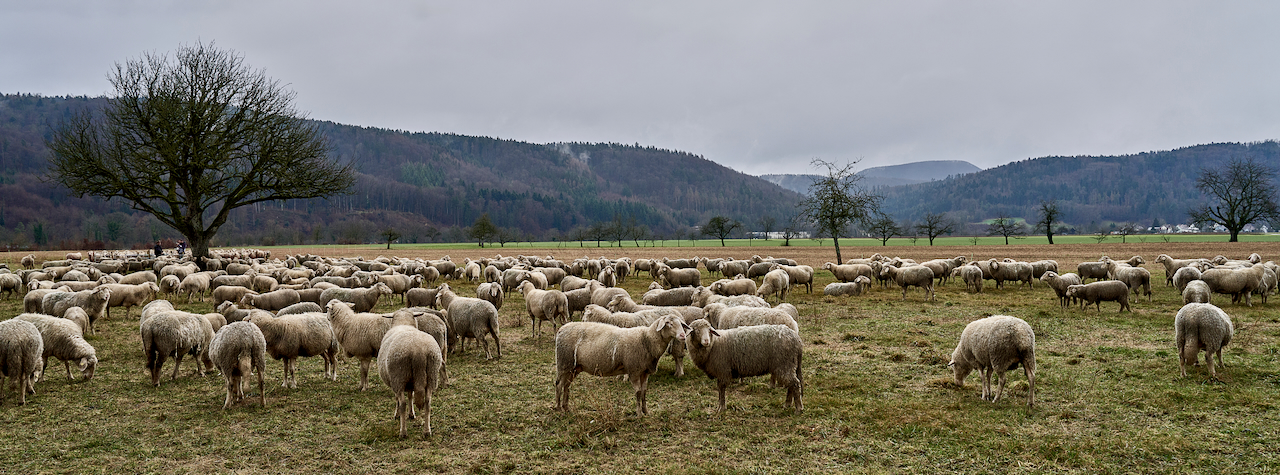
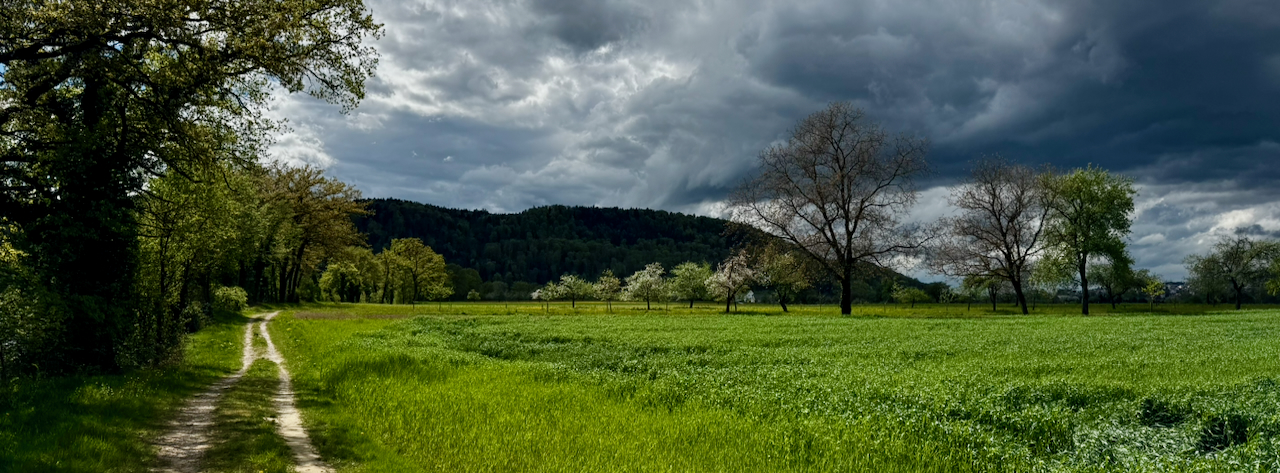
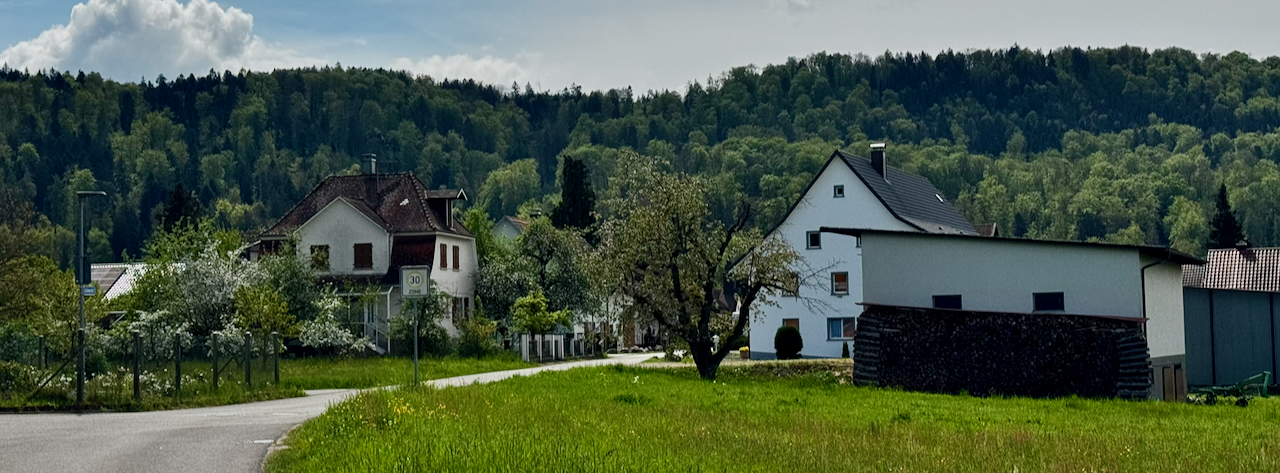
Kulturlandschaften


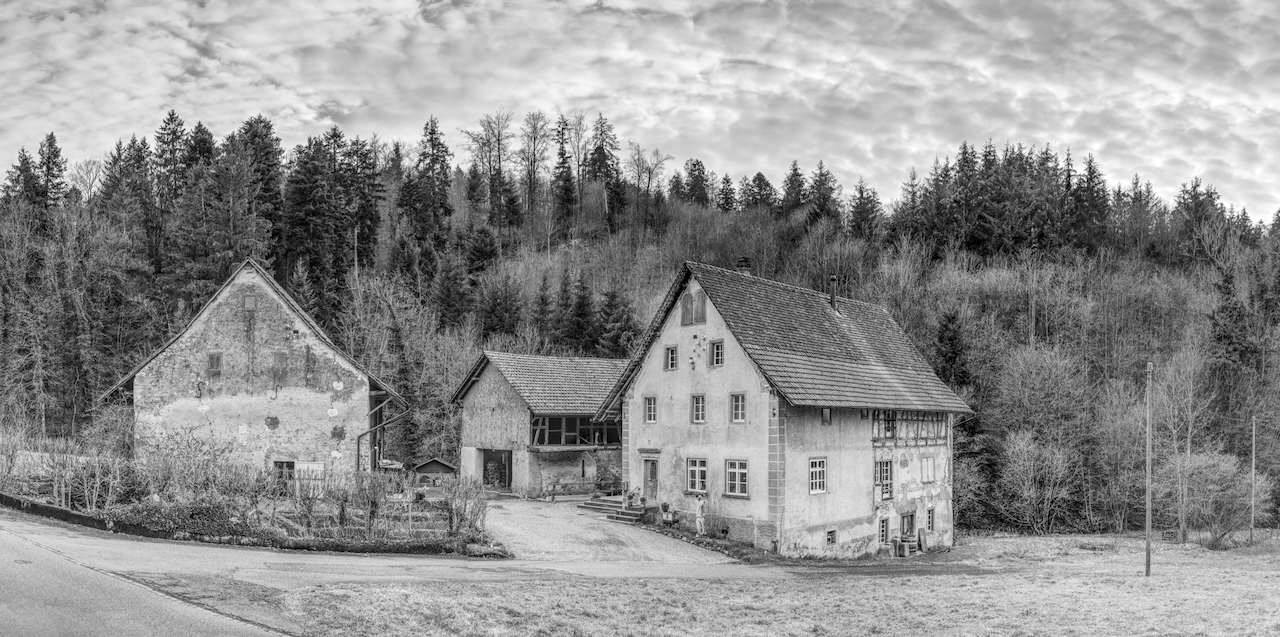
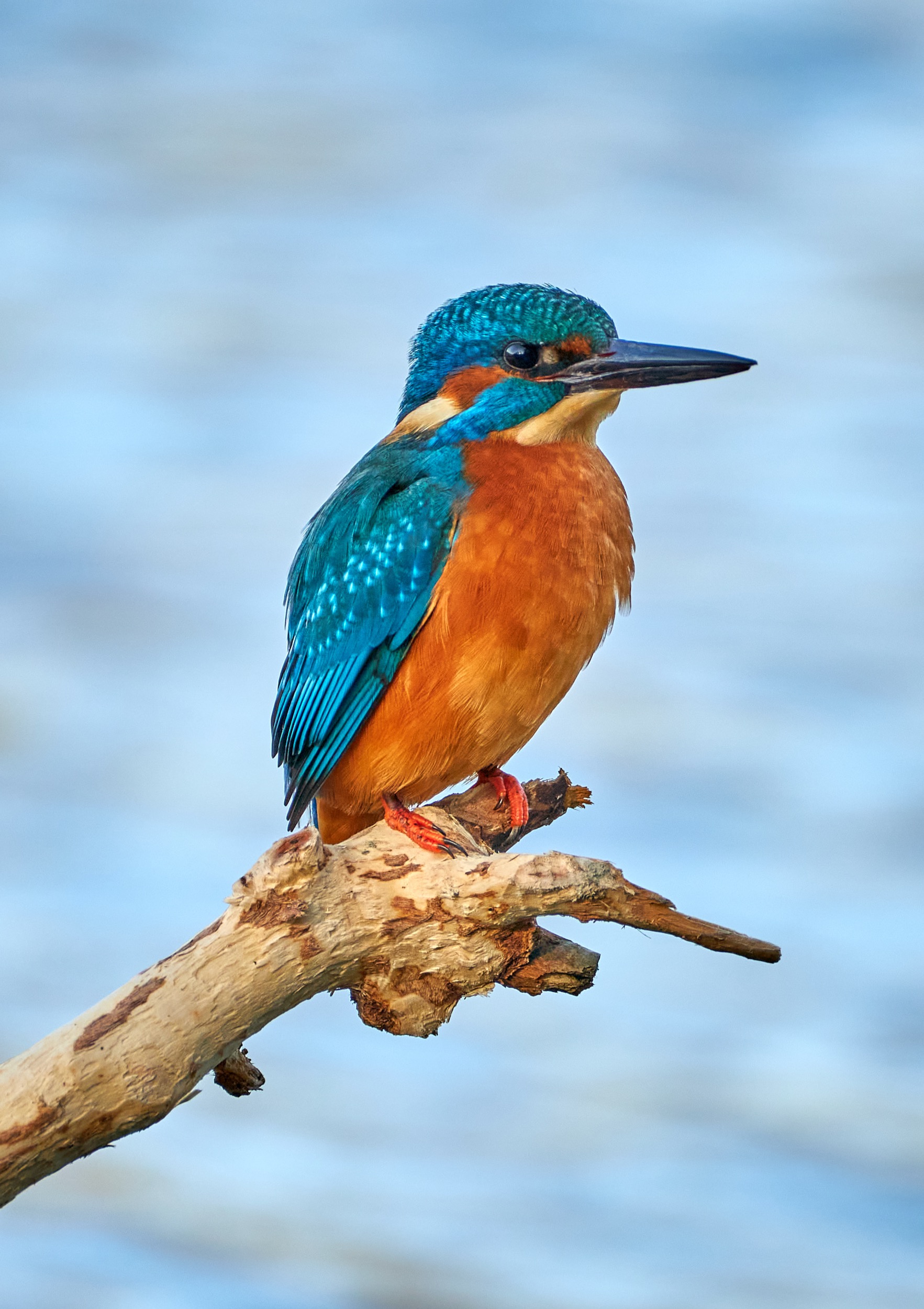
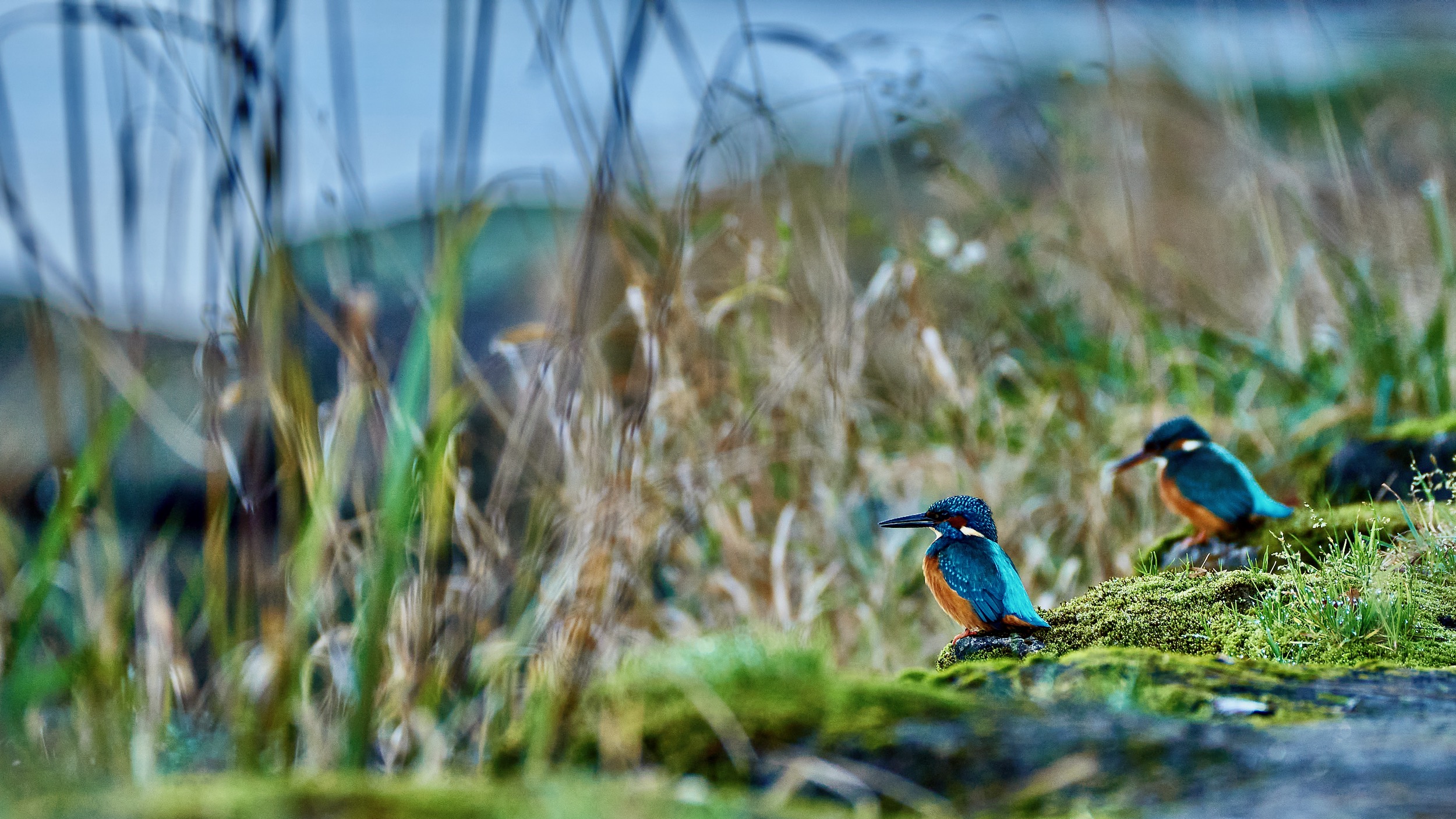
Eisvogel
Laufenburg
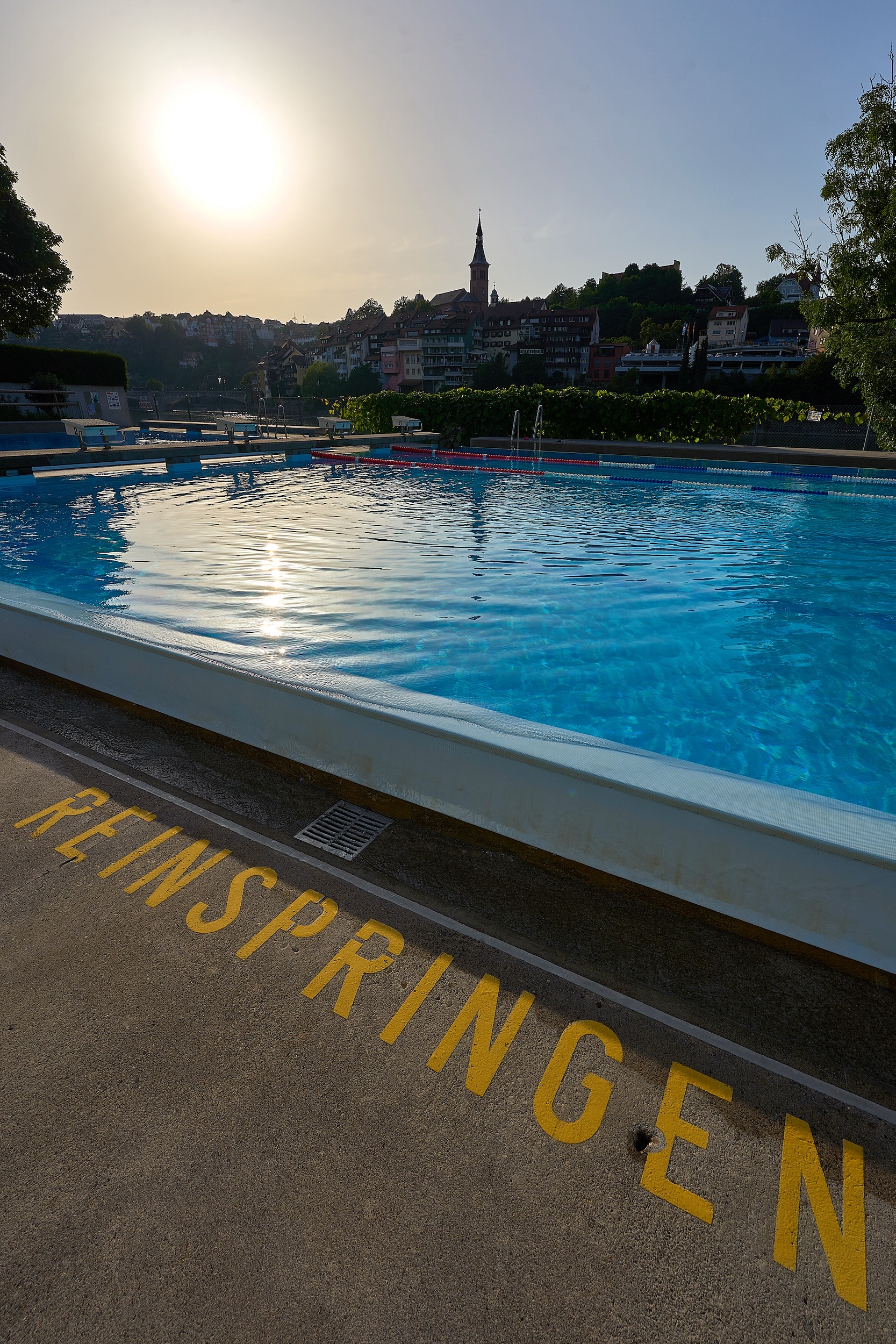


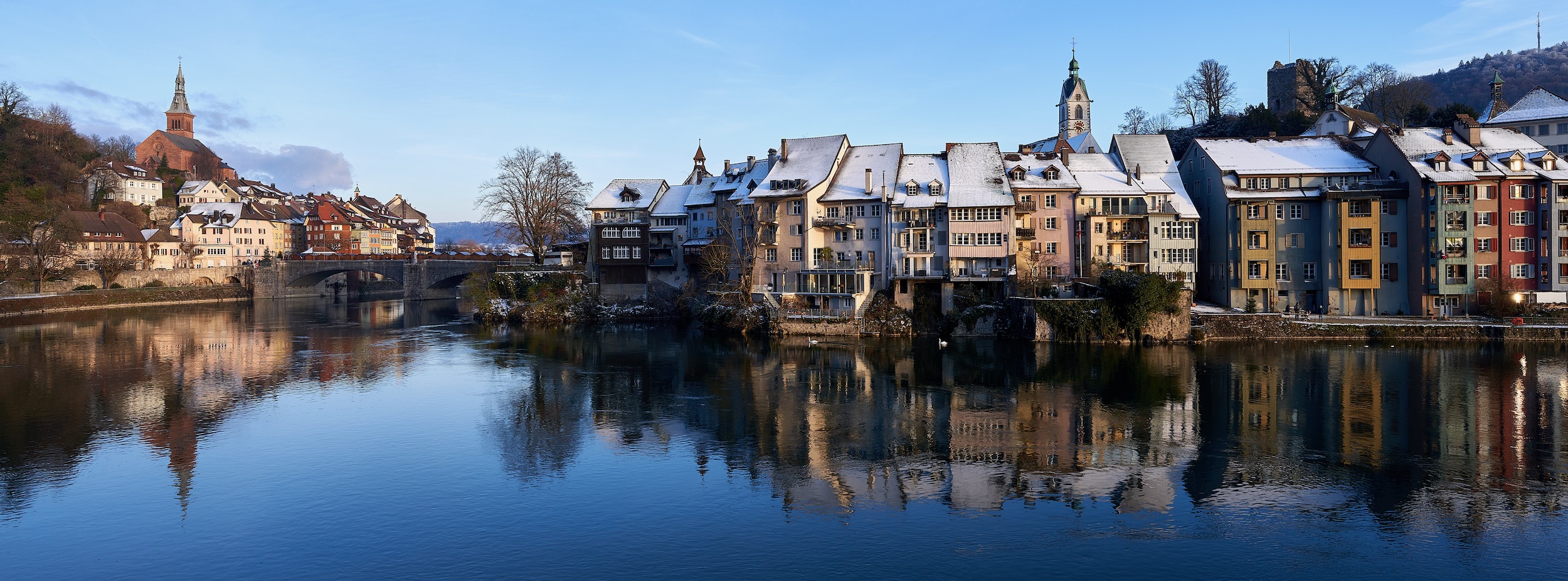
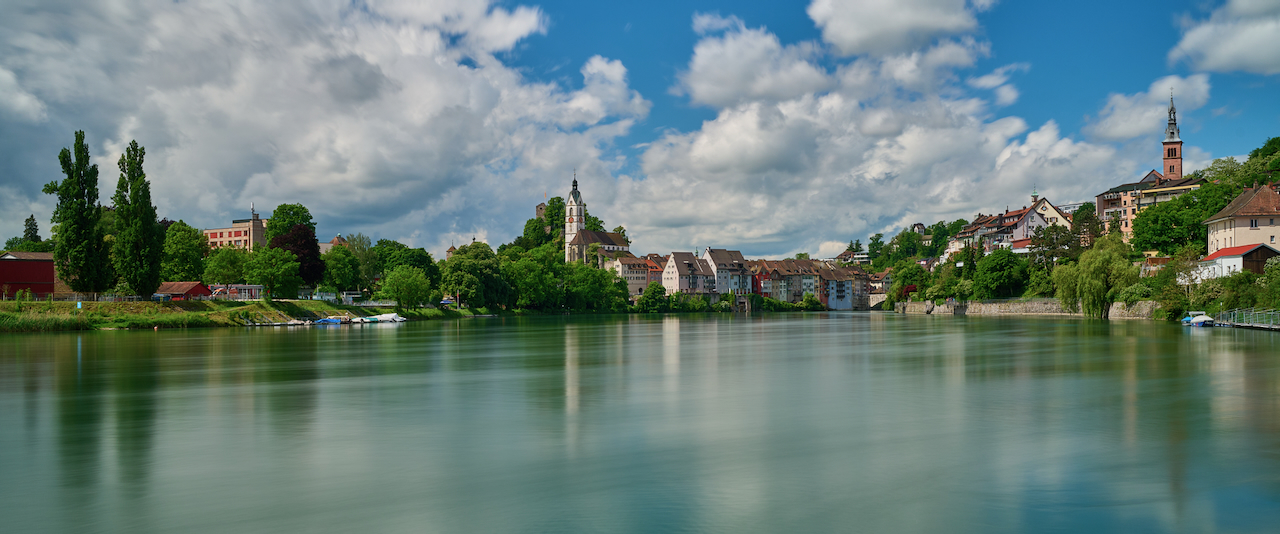
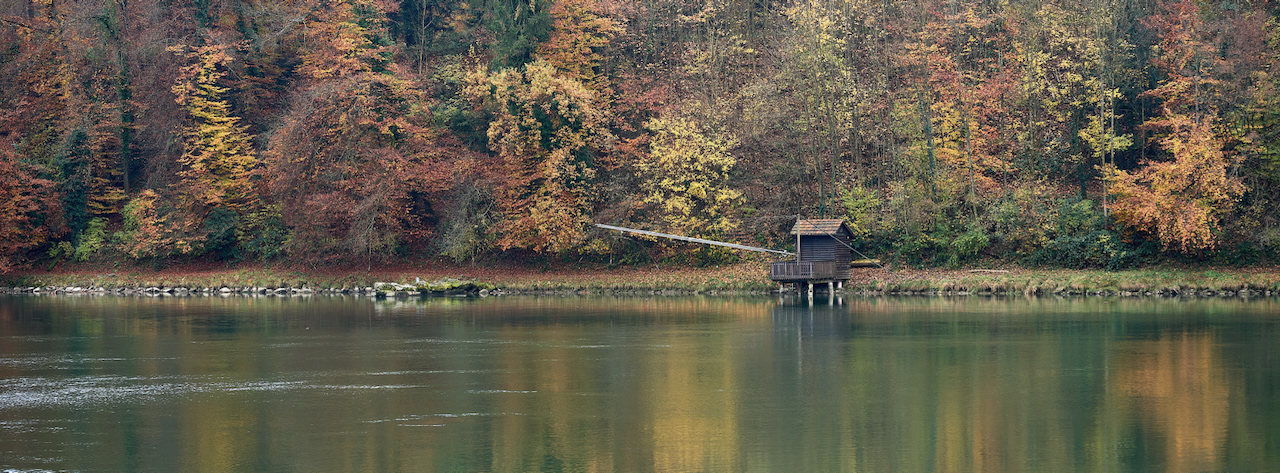
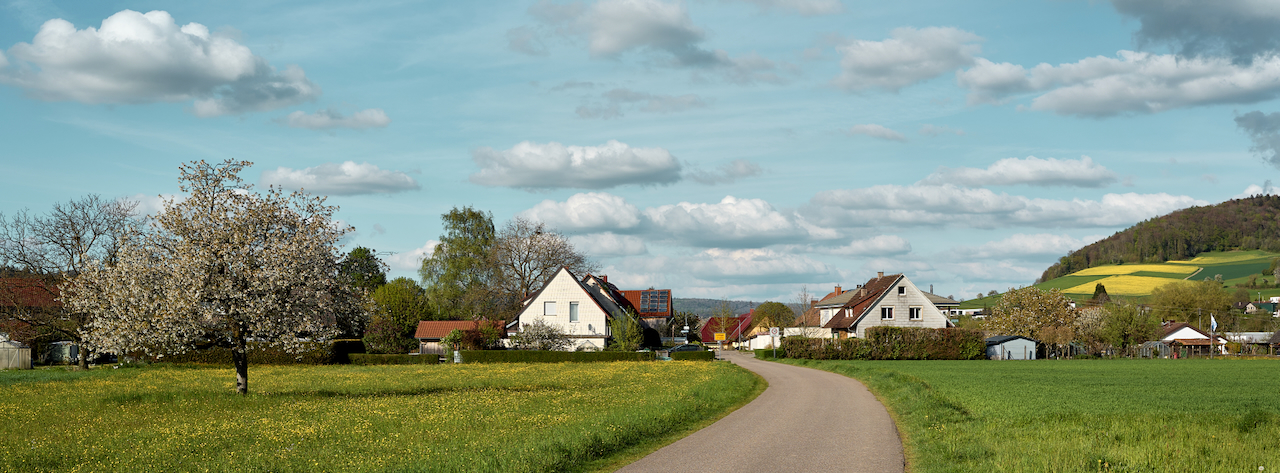
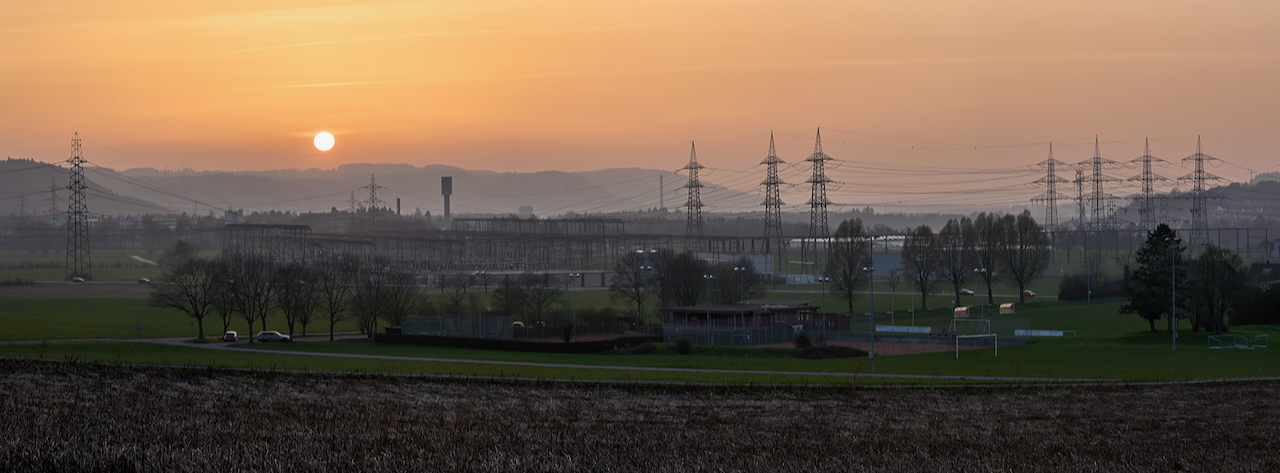
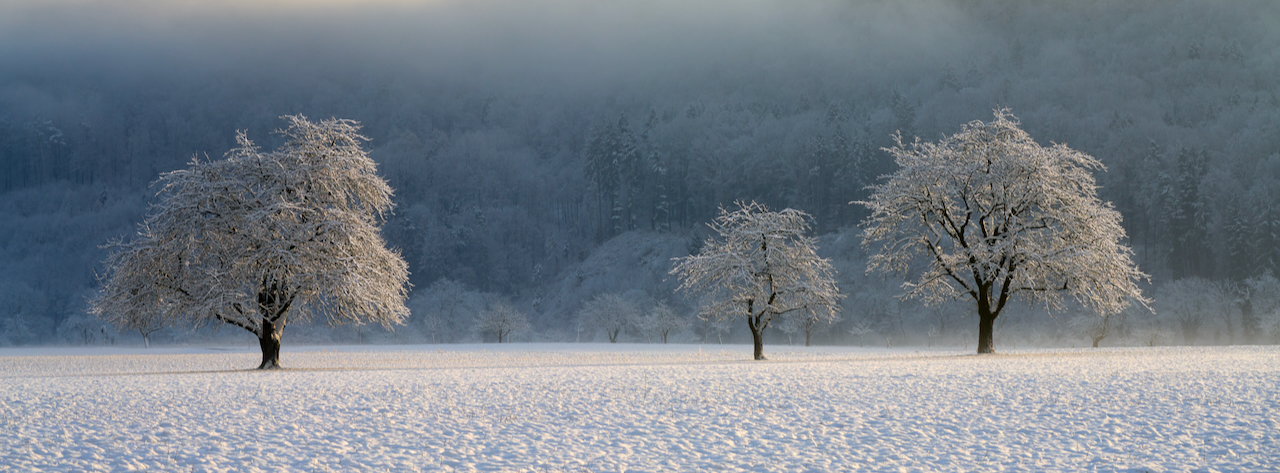
Digital Xpan (65 x 24)
Materials and Methods
Sensors
Sony alpha cameras, DJI Drones, iPhone
Lenses
Fast to medium-fast prime lenses from Sony and Sigma.
Software
CaptureOne, Affinity Photo, Blender
Methods
Panorama (‚digital xpan‘), fake tilt-shift, long-term exposure

ABOUT ME
Shaped by the long summer vacations of my childhood and youth, spent almost exclusively by the sea, in the stark, human-altered landscapes of Ireland and Brittany, I initially mistook proximity for connection. I turned to oceanography to formalize this relationship, assuming that deeper knowledge would produce intimacy. It did not. Physics dismantled the sea into measurable components, predictable dynamics, and closed systems. What once felt boundless became finite. Explanation replaced experience. The sea did not reveal itself – it receded.
The camera entered my life not as a means of expression, but as a mechanism of distance. Like Homo faber, I learned to cope with reality by rendering it functional: observable, framable, controllable. Photography allowed me to replace participation with analysis. It was a way to stand outside the world while still appearing engaged – to transform existence into data, surfaces, and outcomes.
My continued fascination with light, atmosphere, and landscape is not rooted in beauty, but in structure. Under specific conditions, randomness briefly organizes itself. Order emerges without meaning, coherence without intention. These moments do not suggest harmony; they merely demonstrate that chaos can imitate purpose.
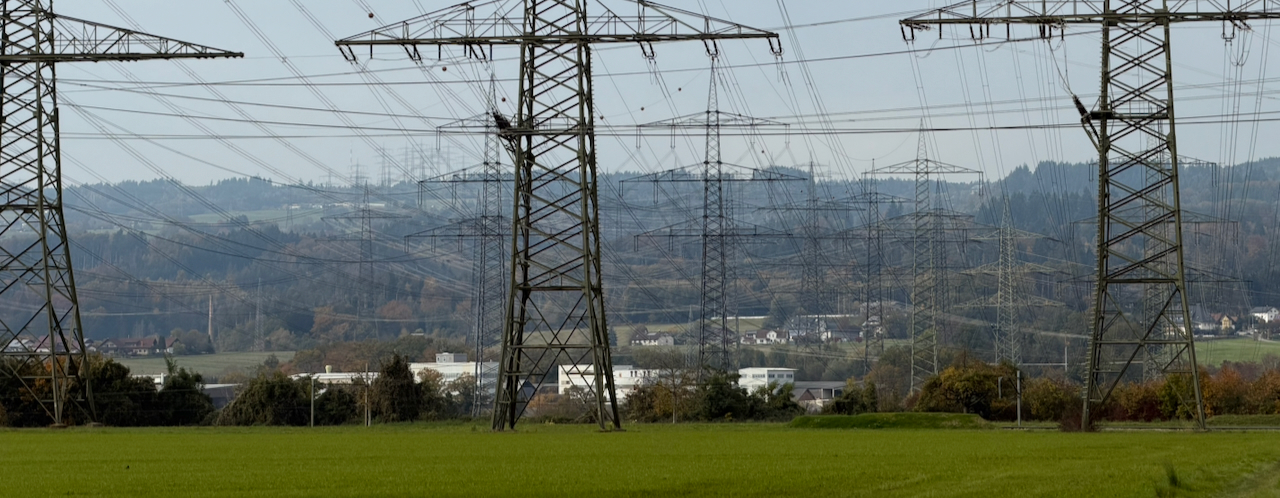
We exist in the Anthropocene – an epoch in which humans have become a geological force, not through wisdom or care, but through scale and inertia. Landscapes are optimized, stabilized, and exhausted. Influenced by contemporary British “anthroposcenes” photography and informed by my training as a natural scientist, I approach these environments without nostalgia or moral resolution. Human interventions appear as systems imposed upon systems – sometimes efficient, sometimes quiet, always irreversible.
When these images succeed, they do not communicate hope or warning. They function as records. They show landscapes that persist not because they are resilient, but because collapse is slow. What is visible is not coexistence, but management.
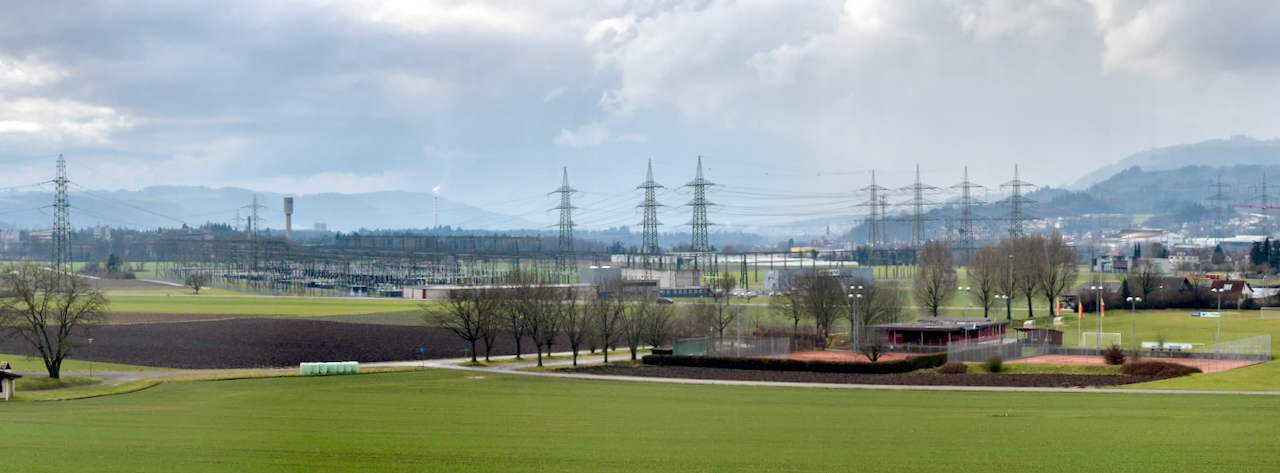
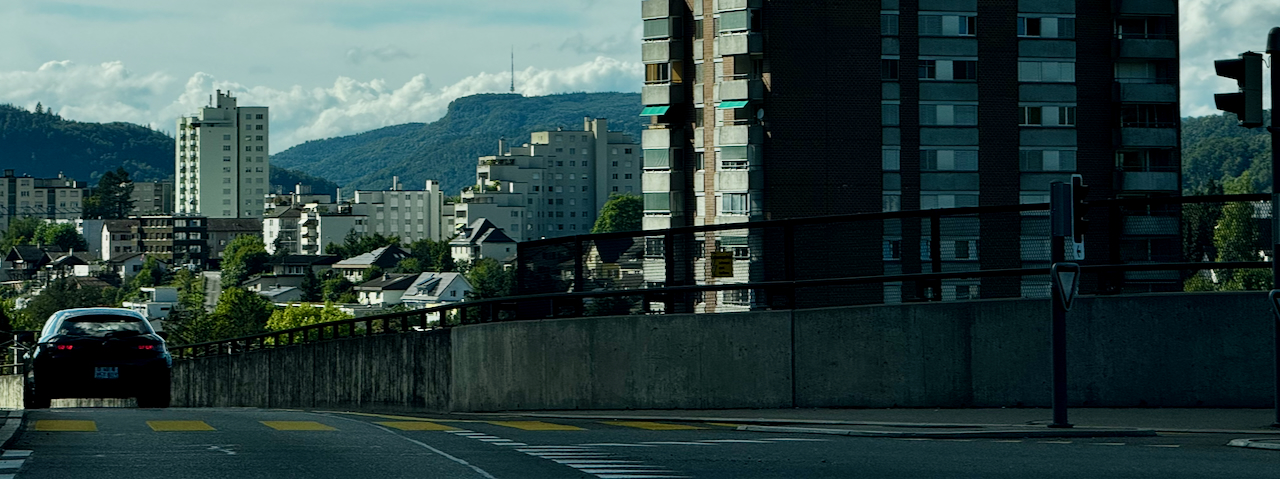
This work documents the contemporary cultural landscape of Northwestern Switzerland, my current place of residence. It does not ask what should be preserved. It only shows what remains.
Laufenburg, 2025
Felix Morsdorf
Keine Ergebnisse gefunden
Die angefragte Seite konnte nicht gefunden werden. Verfeinern Sie Ihre Suche oder verwenden Sie die Navigation oben, um den Beitrag zu finden.
CONTACT


DESIGN BY INFOMANIAK | POWERED BY WORDPRESS